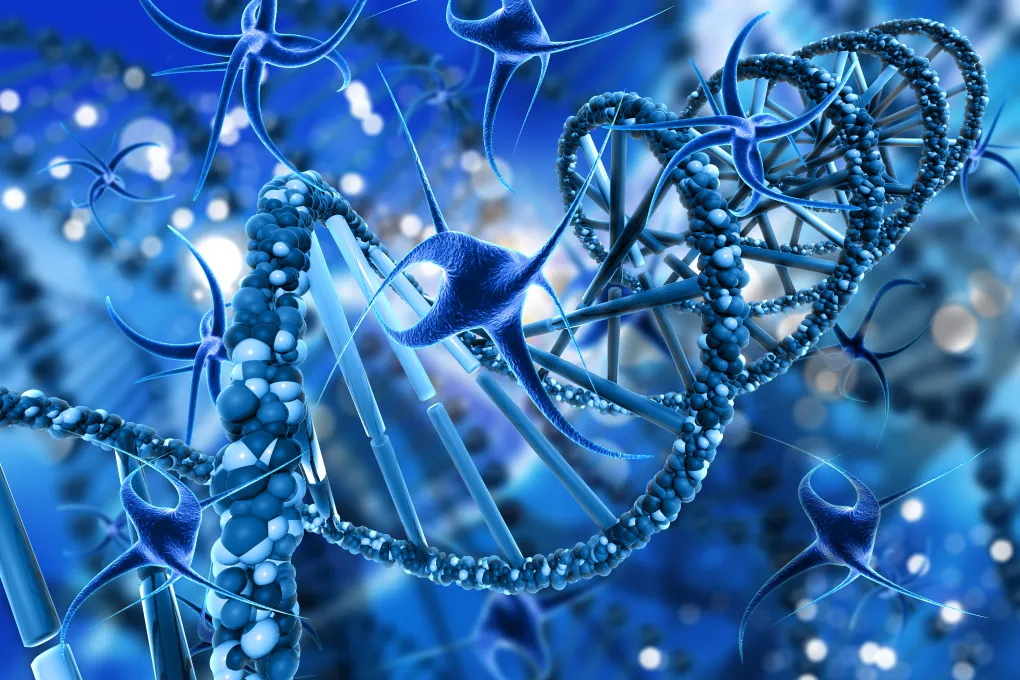
AI and Nanorobots in Medicine: The next frontier of healthcare

AI and Nanorobots in Medicine
What are nanorobots?
Nanorobots are microscopic machines, often smaller than a human cell, designed to perform precise tasks at the molecular or cellular level. In medicine, they can be used to deliver drugs, repair tissues, or detect diseases with unprecedented accuracy.
The role of AI in nanorobotics
Artificial intelligence enhances nanorobotics by enabling:
- Smart navigation: AI algorithms guide nanorobots to specific cells or tissues.
- Precision targeting: machine learning helps nanorobots distinguish between healthy and diseased cells.
- Real-time decision-making: AI allows nanorobots to adapt their actions as they interact with biological environments.
Potential medical applications
-
The combination of AI and nanorobotics opens doors to revolutionary healthcare solutions:
-
Cancer Treatment: Nanorobots can deliver chemotherapy directly to tumor cells, reducing side effects.
-
Diagnostics: AI-powered nanorobots can detect biomarkers in blood for early disease detection.
-
Surgery: Nanorobots may one day perform minimally invasive cellular-level repairs.
-
Regenerative Medicine: Nanorobots can stimulate tissue repair and regeneration at the cellular level.
Challenges and ethical considerations
Despite the promise, challenges remain:
-
Technical limitations in manufacturing nanoscale devices.
-
Ensuring biocompatibility and long-term safety.
-
Ethical debates about autonomy and control of nanorobots inside the human body.
Conclusion
The fusion of AI and nanorobotics represents one of the most exciting frontiers in medicine. While still in early development, this technology has the potential to revolutionize diagnostics, treatments, and even the way humans approach healthcare, making medicine more precise, personalized, and proactive.